October 3, 2024

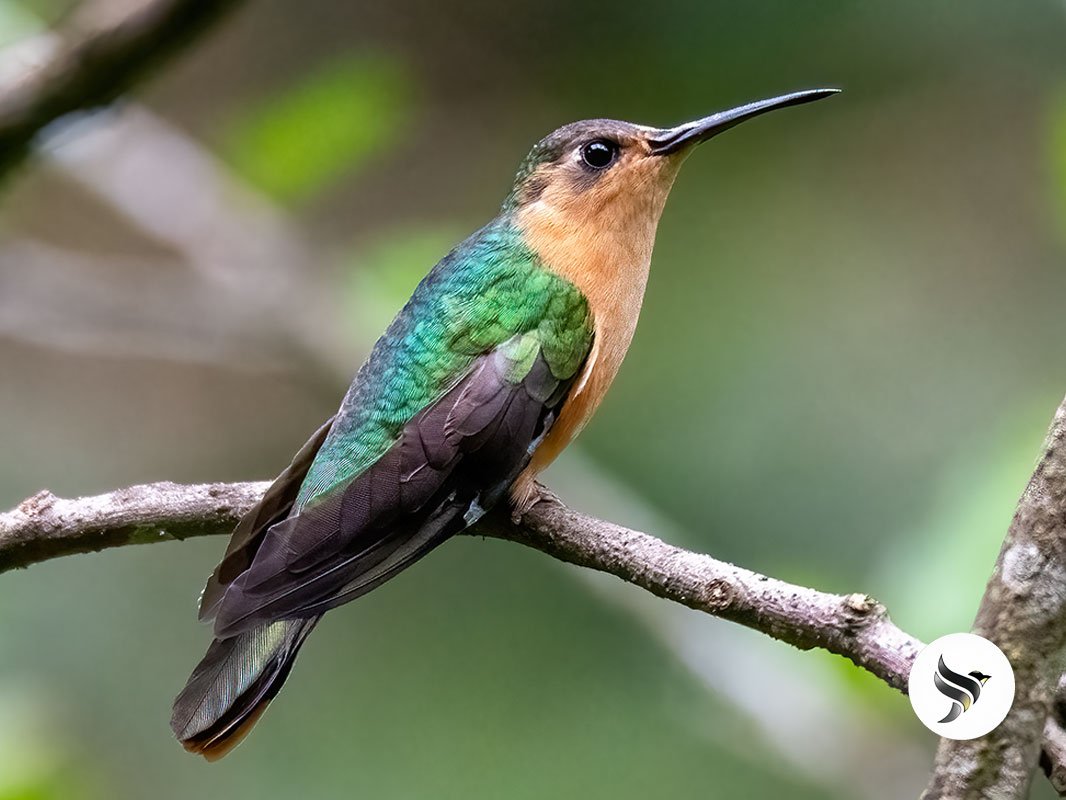
The Roufuos Sabrewing in our Birdwatching Guatemala, Nature, and Culture Tour

Discover Birdwatching Guatemala’s Nature and Culture Wonders

Birding Blog

Embark on an enchanting journey that seamlessly blends nature and culture in Guatemala. With the Guatemala Nature and Culture Tour, you will traverse lush landscapes and immerse yourself in vibrant traditions. This captivating land, home to over 770 bird species, is a paradise for birdwatchers. Picture yourself spotting the Resplendent Quetzal in the highlands or exploring the Mayan Biosphere Reserve. The Birdwatching Guatemala Nature and Culture Tour allows you to experience these wonders firsthand. Dive into the essence of Birdwatching Tours Guatemala and discover a world where nature and heritage beautifully unite.

Birdwatching Guatemala, Nature, and Culture Tour


The Velasquez Woodpecker is a highlight of our Birdwatching Guatemala, Nature, and Culture Tour

The Allure of Guatemala's Natural Beauty

Guatemala captivates you with its stunning natural beauty. You'll discover a land rich in diverse ecosystems and unique bird species as you explore.

Diverse Ecosystems

Guatemala boasts a remarkable variety of ecosystems. From lush rainforests to serene highlands, each region offers a unique habitat. This diversity makes it a prime destination for birdwatchers. You can wander through tropical jungles or relax by tranquil lakes, each teeming with life. The country's position as a migratory corridor adds to its allure, drawing bird enthusiasts worldwide.

Unique Bird Species

With over 766 bird species, Guatemala is a paradise for bird lovers. You might spot the Resplendent Quetzal, a symbol of freedom and beauty. The highlands are home to many endemic species, allowing you to see birds found nowhere else. Each sighting becomes a cherished memory, adding excitement to your journey.

Cultural Richness and Heritage


Tikal national park

Beyond its natural wonders, Guatemala invites you to immerse yourself in its rich cultural tapestry. The blend of indigenous communities and historical sites enriches your experience.

Indigenous Communities

Engage with vibrant indigenous communities that preserve ancient traditions. You can learn about their customs and crafts, gaining insight into their way of life. These interactions offer a deeper connection to the land and its people, enhancing your adventure.

Historical Sites

Explore historical sites that tell stories of the past. Places like Tikal National Park reveal the grandeur of ancient civilizations. Walking among these ruins, you feel the echoes of history. Each site offers a glimpse into the cultural heritage that shapes Guatemala today.

Embarking on the Birdwatching Guatemala Nature and Culture Tour promises an unforgettable experience. The Guatemala Nature and Culture Tour invites you to witness the harmonious blend of nature and culture, creating memories that last a lifetime.

Birdwatching Itinerary

The Resplendent Quetzal is The National Bird of Guatemala, a cultural and natural treasure.

Key Destinations

Tikal National Park

Tikal National Park stands as a crown jewel in your birdwatching adventure. As you wander through the ancient Maya ruins, the calls of exotic birds fill the air. You might spot the vibrant toucans or the elusive Orange-breasted Falcon. This UNESCO World Heritage site offers a unique blend of history and nature, making it a must-visit on the Birdwatching Guatemala, Nature and Culture Tour.

Lake Atitlán

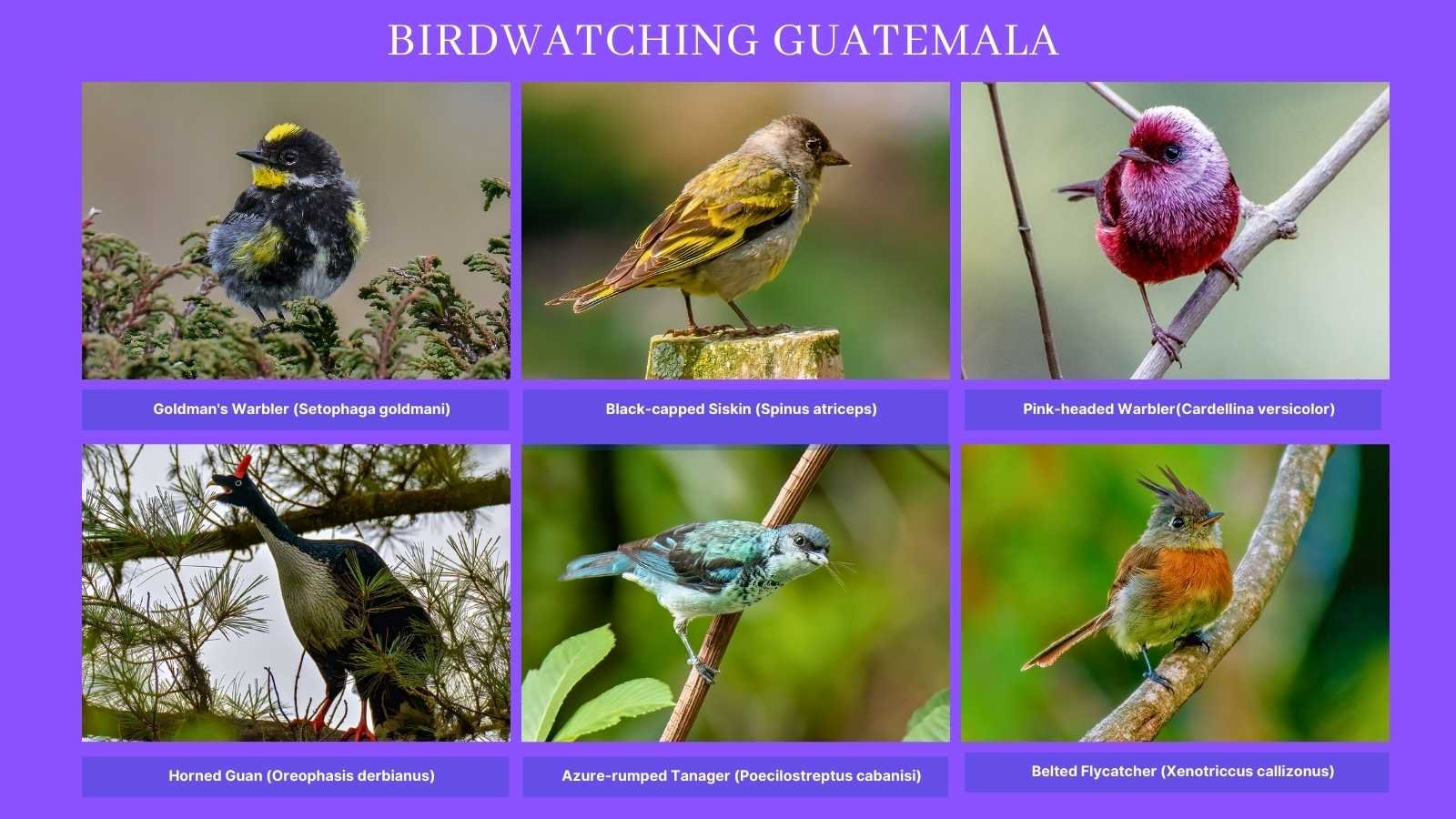
Lake Atitlán captivates with its serene beauty and rich biodiversity. Surrounded by majestic volcanoes, this lake is a haven for birdwatchers. You can explore the shores and discover species like the Azure-rumped Tanager. The local communities around the lake add cultural depth to your visit, offering insights into contemporary Maya culture.

Activities and Tours

Guided Birdwatching Tours

Expert guides lead you through Guatemala's diverse landscapes. With their deep knowledge, they help you find unique birds and hidden spots. Guides like Maynor Obando involve local experts, ensuring you experience the best Birdwatching Tours in Guatemala. Their passion for conservation and education enriches your journey.

Cultural Excursions

Cultural excursions offer a window into Guatemala's vibrant heritage. Engage with indigenous communities and explore bustling markets. The Birdwatching Guatemala team of local guides tailor these experiences to your interests, balancing birding with cultural exploration. You gain a deeper understanding of the land and its people, creating memories that last a lifetime.

Embark on this unforgettable Birdwatching Guatemala, Nature, and Culture Tour. Each destination and activity promises to inspire and connect you with the wonders of nature and culture.

Embark on an adventure that promises to captivate your senses. Book your spot on the Birdwatching Tours Guatemalaand immerse yourself in the breathtaking blend of nature and culture. Feel the thrill of spotting rare birds and engaging with vibrant communities. Testimonials from past travelers highlight the unforgettable experiences and personal connections made. Let the allure of Guatemala's landscapes and heritage inspire you. Take advantage of this opportunity to explore and enjoy a journey that exceeds expectations. Your adventure awaits!
By Ajmaq | Birdwatching Guatemala

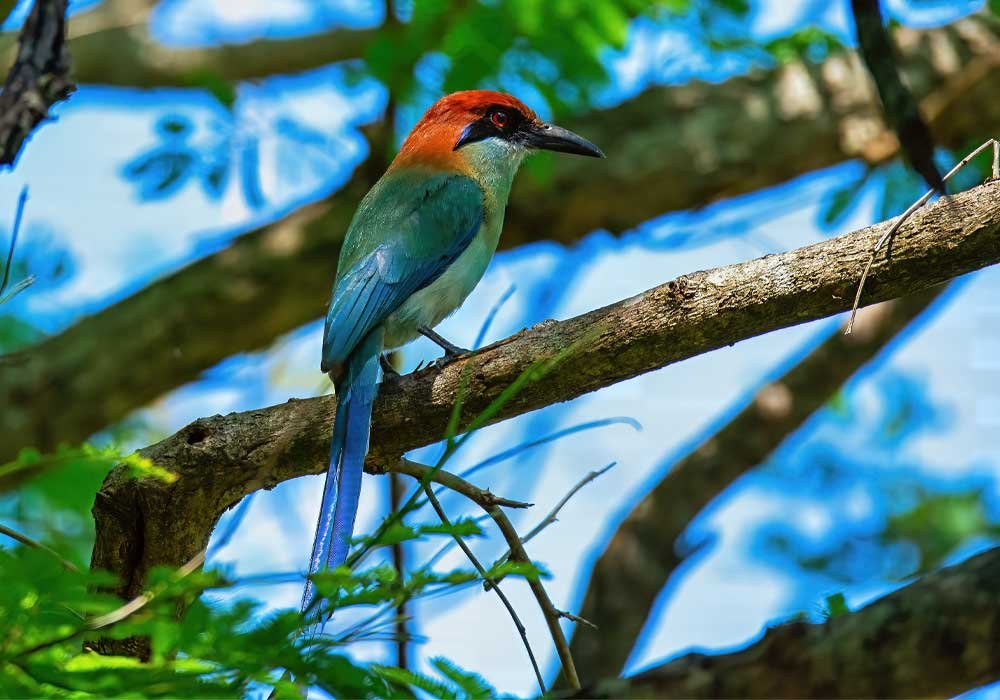
The Guatemalan Motmot (Momotus castaneiceps) gives travelers planning birdwatching in Guatemala a reason to look more closely at the Motagua Valley. With its chestnut crown, broad black facial mask and long tail, this bird belongs to the country’s dry interior—a different environment from the cloud forests and rainforests featured in many birding itineraries.

On October 20, 2026, the American Ornithological Society announced its recognition of the Guatemalan Motmot as a separate species. Birders may already know it from older field guides and trip reports as Russet-crowned Motmot or Momotus mexicanus castaneiceps.

The bird has been known for generations. Its updated classification brings fresh attention to both the species and the habitat where it lives.

Where Can You See the Guatemalan Motmot?

The Guatemalan Motmot occurs in Guatemala’s upper Motagua Valley. The AOS’s 2026 checklist supplement describes it as resident in the country’s interior and lists tropical deciduous forest, gallery forest and secondary forest among its habitats.

That location matters when choosing a birding route. A trip through the volcanic highlands and Petén can offer excellent birding while leaving out the dry interior. If the Guatemalan Motmot is a priority, include it in your target list early enough to allow time within its range.

Our visits in search of this bird include a nature reserve in the region. We consider the outing alongside your other destinations, where you will be staying and how much time you want for observation or photography.

Guatemalan Motmot perched against a blue sky, showing its chestnut crown, green back and long blue tail.

How to Recognize the Guatemalan Motmot

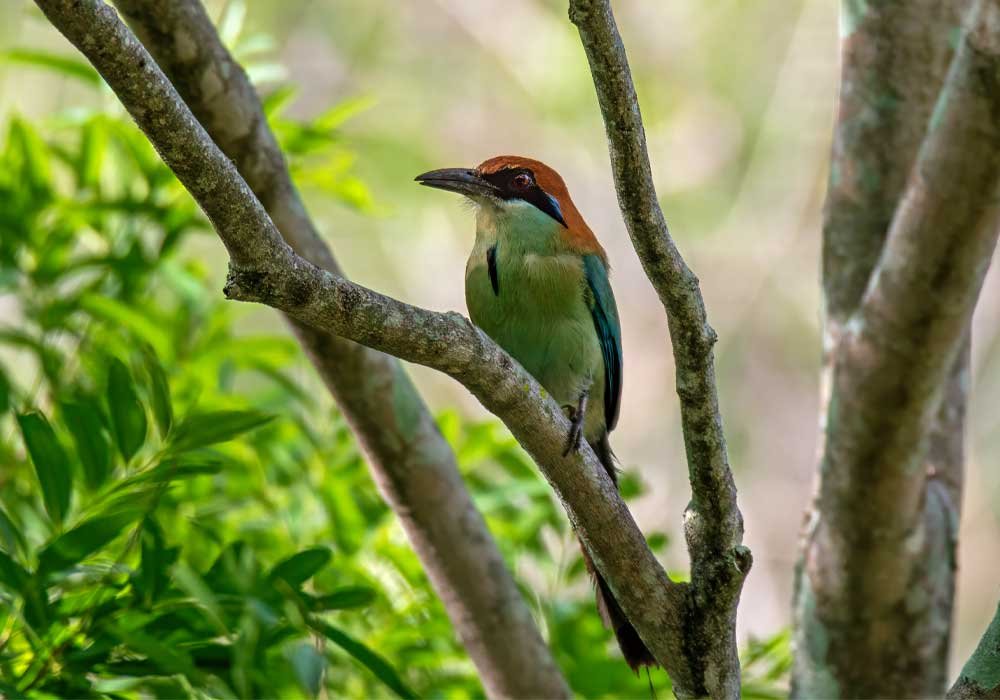
Start with the chestnut crown and nape, broad black facial mask and long tail. A useful identification detail is the pale, whitish area beneath the mask. The closely related Mexican Motmot has an iridescent blue patch in that position, as explained in the American Birding Association’s review of the 2026 checklist changes.

Compare several features together. Light, viewing angle and foliage can make an individual marking difficult to judge, especially in a photograph. Location and voice also help: the AOS checklist identifies differences in appearance and vocalizations as reasons for recognizing the two species separately.

Mexican Motmot also occurs in Guatemala. The updated checklist includes the far west of the country in its range. When reviewing an older Russet-crowned Motmot record, check the precise observation location to help establish which species it represents.

Why Has Its Classification Changed?

The name Momotus castaneiceps dates to a description published in 1855, documented in Avibase’s taxonomic account. The bird was subsequently treated as a subspecies within Russet-crowned Motmot.

The 2026 AOS supplement recognizes Guatemalan Motmot and Mexican Motmot separately. Its announcement credits the proposal by Roselvy Juárez and Pamela Rasmussen, bringing attention to distinctions between populations previously grouped under one species.

For birders returning to an old trip list, this is a reason to revisit the record. Retain its original date and location, together with photographs or notes, and follow the treatment used by your chosen checklist. Older field guides remain useful, although their names may differ from those in updated references.

Is This Guatemala’s First Endemic Bird?

Under the AOS’s 2026 classification, the Guatemalan Motmot is Guatemala’s only living endemic bird species. It is not the country’s first historically: the Atitlán Grebe was endemic to Lake Atitlán before being declared extinct in 1990. The AOS clarified this distinction in its corrected announcement.

A country-endemic species has its natural range entirely within one country. A regional endemic has a restricted range that may cross national borders.

Both can be important targets for visiting birders. The distinction tells you whether a species occurs exclusively in Guatemala or within a wider region shared with neighboring countries.

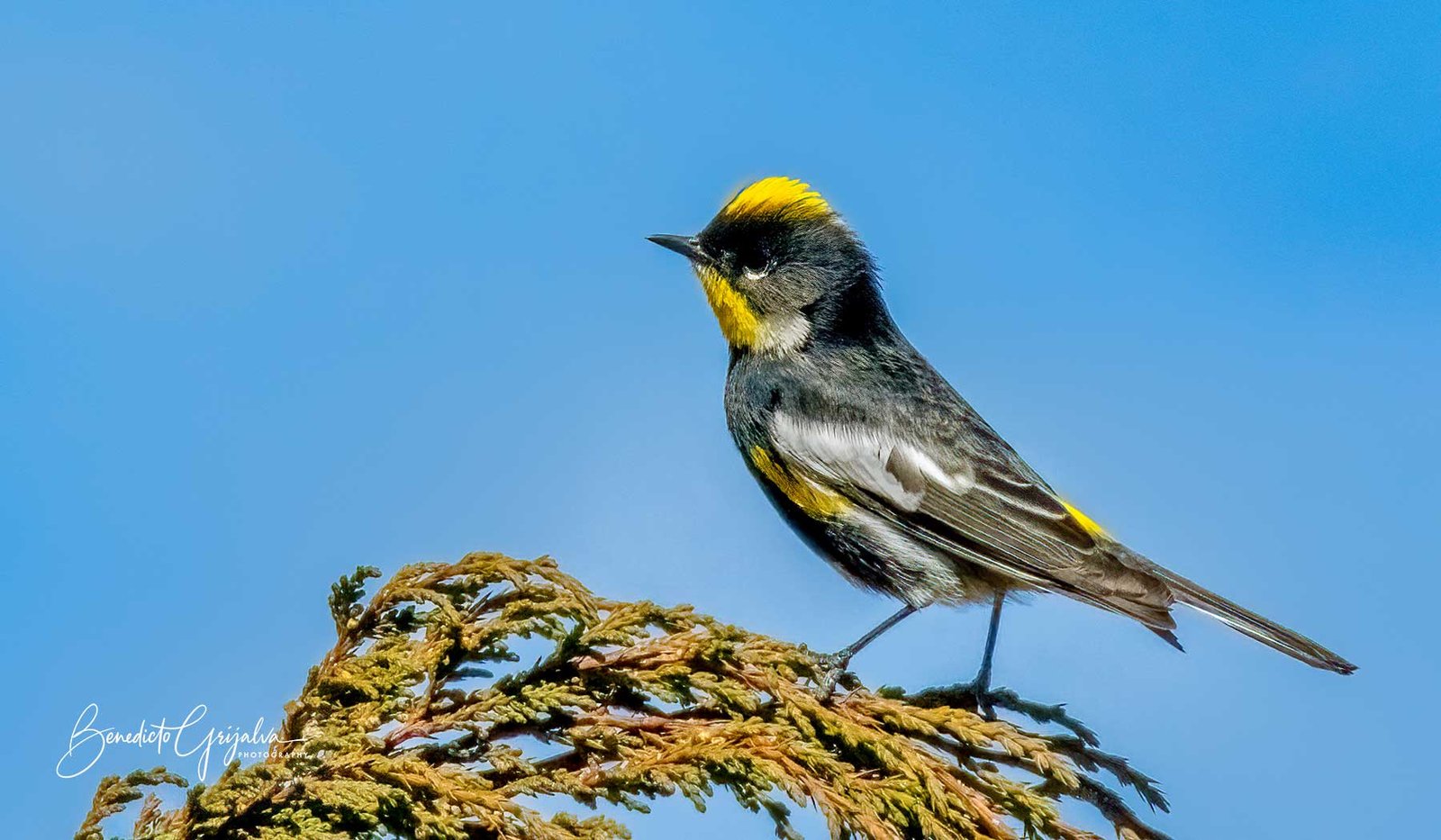
What About Goldman’s Warbler?

Goldman’s Warbler deserves a place in this discussion because authorities classify it differently. The IOC World Bird List version 15.1 recognizes Setophaga goldmani as a species, as documented by the Integrated Taxonomic Information System. Cornell’s identification guide presents Goldman’s within Yellow-rumped Warbler.

Its range is a separate consideration. Cornell’s guide describes Goldman’s birds as resident in Guatemala and eastern Chiapas, Mexico. Following that source, it should not be described as occurring exclusively in Guatemala.

Goldman’s Warbler remains a worthwhile highland target. When comparing endemic-bird lists, check both the classification being followed and the geographic range. Recognition as a separate species does not automatically make a bird a country endemic.Guatemalan Motmot facing left on a shaded branch, showing its black facial mask, pale throat and dark chest marking.

Looking for the Guatemalan Motmot With Birdwatching Guatemala

Our visits begin with your priorities. Some travelers want a good observation through binoculars; others want time to photograph the bird. Those goals can call for different pacing.

A clear sighting does not always produce a clear photograph. Leaves or branches may interrupt the view, and a bird may remain in an awkward position. Allowing more time gives you room to wait without pressing closer or disturbing it.

When planning your visit, tell us:

  • Your travel dates and where you expect to stay.
  • Whether the Guatemalan Motmot is a main target or one of several birds you hope to see.
  • Whether photography is a priority.
  • Any walking requirements we should consider.

We use those details to discuss the route and field time. Before the outing, we also explain the expected conditions and what to bring, including drinking water, sun protection, suitable footwear and binoculars.

Sightings depend on wild birds. We cannot promise an encounter, but we can plan a search that gives the habitat and your interests the time they deserve.

Watching With Care

A bird’s restricted range is a reason to pay attention to its habitat. It does not, by itself, establish that the species is endangered.

During a visit, follow reserve rules and your guide’s instructions. Keep your distance from nesting birds, and allow an observation or photograph to pass if obtaining it would cause disturbance. The same care applies whether a bird is newly recognized, common or difficult to find.

Plan Your Birdwatching Trip to Guatemala

If the Guatemalan Motmot is on your list, Birdwatching Guatemala can help you include a Motagua Valley visit within a private birding itinerary.

Send us your travel dates, target birds and photography interests. We will discuss a route and pace that suit the way you want to spend your time in the field.

Sources and Further Reading